
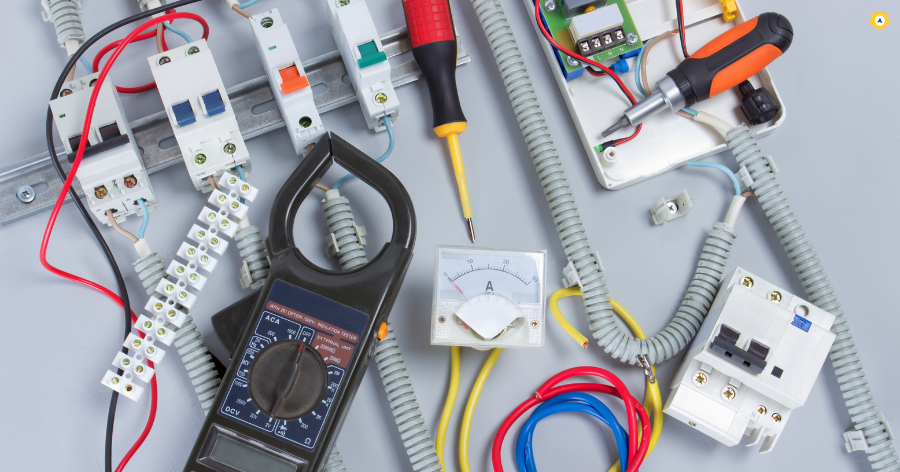

MEPF stands for:
-
M – Mechanical (HVAC)
-
E – Electrical
-
P – Plumbing
- F – Fire Fighting
These are the core building services that make spaces livable, safe, comfortable, and functional.
Think of a building as a human body:
- HVAC = Lungs (airflow & temperature)
- Electrical = Nervous system (power & communication)
- Plumbing = Digestive system (water in, waste out)
- Fire Fighting = Immune system (fire protection, suppression, detection & safe evacuation)
Without these systems, a building is just a concrete shell.
Why Is MEP So Important?

Comfort
Imagine a building without AC, fans, fresh air, or proper ventilation. It will be dead structure in year time. No Spce to live hood. MEP systems ensure temperature control, clean air, and overall comfort in every season.

Safety
A well-designed electrical system prevents shocks and fire hazards. Efficient fire-fighting systems protect occupants during emergencies. Good plumbing avoids contamination, leaks, and health risks.

Efficiency
MEP accounts for nearly 80% of a building’s operating cost. Smart, efficient design helps reduce electricity consumption, water usage, and long-term maintenance expenses and long life of building for human life.

Functionality
Everything inside a building from lighting and ventilation to elevators, pumps, and power systems — works seamlessly because of MEP engineering.

Compliance
Every building must meet strict national and international standards. MEP ensures safety compliance, code approval, and risk-free operation for all occupants.

Sustainability
Buildings must be energy-efficient and environmentally friendly. MEP systems help reduce carbon footprint through smart, efficient MEP Design.

Let’s Break Down Each Part of MEP (Simple & Practical)
HVAC — The Air System of the Building
It includes:
-
Air-conditioning
-
Ventilation
-
Heating
-
Fresh air supply
-
Exhaust systems
-
Pressurization systems (staircase, lift lobbies)
Why HVAC is important:
HVAC keeps indoor temperatures comfortable and ensures proper oxygen levels.
Without HVAC, hospitals, theaters, airports, malls, or IT parks cannot operate.
What HVAC engineers actually do:
-
Perform heat load calculations
-
Choose HVAC systems (VRF, Chiller, Split ACs)
-
Design duct routes
-
Coordinate with architecture & structure
-
Calculate fresh air requirements
-
Select AHU, FCU, fans, pipes, dampers
Powering the Building
Electrical makes everything run:
-
Lighting
-
Sockets
-
Panels
-
Cabling
-
Transformers
-
Backup generators
-
Earthing
-
Fire alarm
-
CCTV
-
Access control
-
Networking systems
Why Electrical is important:
A small electrical mistake can cause fire, electrocution, or equipment damage.
Electrical engineers handle:
-
Load calculations
-
SLD (Single Line Diagram)
-
Cable sizing
-
Transformer & DG selection
-
Panel layout
-
Earthing & lightning protection
-
Low voltage systems (CCTV, data, lift)
Electrical is the backbone of building operations.
Water Supply & Drainage
This includes:
-
Water supply
-
Drainage (sewage & stormwater)
-
STP/WTP
-
Pumps
-
Hot water systems
-
Rainwater harvesting
-
Overhead & underground tanks
Why Plumbing matters:
Bad plumbing = leaks, blockages, flooding, contamination, foul smell.
Good plumbing ensures a smooth, hygienic, and sustainable building.
Plumbing engineers work on:
-
Water demand calculations
-
Pump selection
-
Sump, OHT design
-
Piping layout
-
Drainage gradient
-
Venting
-
STP integration
-
Pressure zoning in high-rise buildings
Life Safety & Fire Protection Systems
This includes:
- Hydrant system
- Sprinkler system
- Fire pumps (Jockey, Main, Diesel)
- Fire extinguishers
- Fire alarm & detection system
- Hose reel system
- Fire risers & landing valves
- Smoke detectors & heat detectors
- Fire escape signage
- Emergency lighting & exit path lighting
Why Fire Fighting Matters:
Bad fire safety = delayed response, rapid fire spread, casualties, and property loss.
Good fire-fighting design ensures quick detection, immediate suppression, safe evacuation, and full protection during emergencies.
A well-designed fire system can save lives, reduce damage, and keep the building compliant with NFPA, NBC, and local fire norms.
Fire Fighting Engineers Work On:
-
Fire load estimation & risk assessment
-
Pump capacity calculation (flow + pressure)
-
Sprinkler head selection & layout
-
Hydrant and riser routing
-
Fire tank sizing
-
Fire alarm device placement
-
Emergency lighting layout
-
Pressure zoning for high-rise buildings
-
Staircase & lift lobby pressurization
-
Coordination with HVAC, Electrical & Architecture
-
Ensuring NBC & NFPA code compliance
Why MEP Training Is Essential for Engineers
Most engineering colleges don’t teach real MEP skills.
Fresh engineers join a company and feel confused:
-
How to size an HVAC system?
-
How to read drawings?
-
What is BOQ?
-
What is a shaft?
-
What is a load schedule?
This skill gap is huge and this is where industry-focused training becomes important.
At Neoinfinit Engineering Academy, we make engineers industry-ready by teaching them real project skills like:
- AutoCAD & Revit productivity
- HVAC, Electrical & Plumbing design
- Drafting standards
- Site knowledge
- Coordination
- Learning from 75+ million sq. ft. of consultancy experience
Our method is practical, clear, and based on real projects not theory.
Career Opportunities in MEP (High Demand Field)
MEP gives you career options like:
-
HVAC Design Engineer
-
Electrical Design Engineer
-
Plumbing Design Engineer
-
Fire Fighting Engineer
-
MEP Draftsman
-
BIM/Revit Modeler
-
Site Engineer
-
Energy Auditor
-
Quantity Surveyor
-
Project Coordinator
You can work in:
-
Construction companies
-
MEP consultancies
-
EPC companies
-
Architecture firms
-
BIM companies
-
Facility management
The demand is HUGE because buildings will always exist — and so will MEP.
Where Is MEP Used? (Real-Life Examples)
EVERY building needs MEP.
Here are examples:
🏢 High-rise apartments – water pumps, AC, sewage lines
🏫 Schools – ventilation, lighting, fire safety
🏨 Hotels – central HVAC, BOH services
🏥 Hospitals – pressurized rooms, medical gas systems
🏬 Malls – chillers, escalators, sprinkler systems
🏭 Factories – power distribution, heavy ventilation
Wherever people work or live, MEP is there.
Why MEP Will Never Lose Value
No matter how much AI or automation evolves, buildings will ALWAYS need:
-
Cooling
-
Power
-
Water
-
Drainage
-
Fire protection
That means MEP engineers will always be in demand.
Final Thoughts — MEP Is the Heart of Every Building
MEP engineering is not just a technical field — it’s a field that improves comfort, safety, and quality of life. Every engineer entering MEP is choosing a stable, respected, and future-proof career.
And if you want to learn MEP the right way — with practical, real project experience — Neoinfinit Engineering Academy is the perfect place to start.